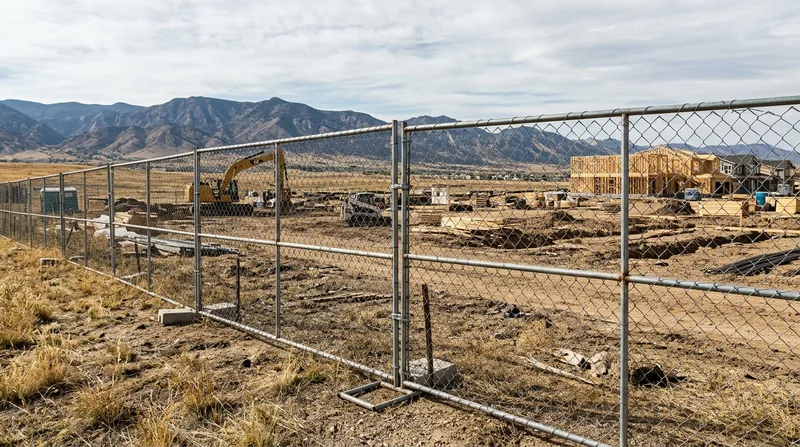




Commercial and temporary fencing in Denver keeps job sites secure, organized, and compliant with local safety standards. Whether you're managing a new residential subdivision in Aurora, a commercial development in Thornton, or a utility project across the metro, temporary site fencing protects your perimeter, controls access, and meets code requirements from day one. Denver Fence Contractors has supplied and installed rated panels and construction fencing since 2013, working fast on active sites where schedules are tight and wind loading matters. We understand the metro's ongoing growth outward, the tight timelines that come with it, and the need for panels that hold up under Colorado weather and heavy use.
Why Commercial and Temporary Fencing Matters on Denver Job Sites
Temporary fencing does more than mark a perimeter. It protects the public, secures equipment and materials, prevents unauthorized access, and signals professionalism to neighbors and inspectors. Sites across Denver and surrounding areas rely on sturdy panels to contain dust and debris, manage traffic flow, and show that safety is built into the project from the start. A properly installed temporary fence also reduces liability exposure and keeps your bond and insurance carriers satisfied.
- Temporary panels install quickly and come down without damage to the site or adjacent property.
- Wind-rated panels handle Colorado's open-air exposure without shifting or collapsing under load.
- Chain link and solid panels both meet construction site fencing standards set by local building departments.
- Silt fence and erosion control barriers protect drainage and comply with stormwater regulations.
- Gate access controls and locking hardware keep equipment secure and restrict entry to authorized personnel only.
Every temporary fence installation begins with a clear understanding of your site layout, your timeline, and the specific codes that apply to your jurisdiction.
Key info: Denver, Aurora, Lakewood, and Thornton all require temporary construction fencing on active sites. Panel height, setback from public right-of-way, and gate placement vary by city. We verify requirements with your local building department before installation and ensure your site stays compliant throughout the project lifecycle. See the City and County of Denver Community Planning and Development office for current site safety standards.
How We Install Commercial and Temporary Fencing Across Denver
Installation speed and accuracy matter on active job sites. We begin with a walk-the-line assessment of your site, identify utilities using Colorado 811 locates (required by law before digging), and confirm panel placement with you and your general contractor. Panels are set plumb, braced against wind loading, and secured so they stay put through the life of your project. We handle setup, ongoing maintenance, and removal on your schedule.
- Request your free site assessment and supply a site plan or property description so we can scope the linear footage and any special access requirements.
- We verify local code requirements and utility locations using Colorado 811 notification before any ground work begins.
- Panels are delivered and installed at the perimeter you specify, with posts set and braced for wind and traffic impact.
- Gates are hung and locked, and we confirm sight lines and emergency access routes with your project manager.
- Weekly or monthly inspections keep panels secure and address any weather damage or shifting before it becomes a safety issue.
- Removal and site cleanup happen on your schedule, with panels salvaged or recycled as your contract specifies.
This structured approach keeps your site secure from day one and eliminates surprises on the invoice.
Real example: A new residential development in Thornton required 1,200 linear feet of temporary fencing around the perimeter, with two gated access points for construction traffic. We installed rated panels on concrete-set posts, braced them for Colorado wind, and provided weekly inspections throughout the 18-month build phase. When the project moved to final grading, we removed all panels and left the site clean and ready for permanent landscaping.
Temporary Fencing Options and Installation Methods
| Fencing Type | Description | Best For |
|---|---|---|
| Temporary chain link panels | Galvanized steel frames with woven mesh, typically 6 feet tall, wind-rated and reusable. | General construction sites, equipment storage, public safety barriers where visibility is important. |
| Solid temporary panels | Plywood or metal sheets attached to steel frames, rated for wind loading and dust containment. | Urban sites, sensitive neighborhoods, projects where dust and debris control is critical. |
| Silt fence and erosion control | Geotextile barriers on posts or stakes, designed to slow runoff and trap sediment during grading and construction. | Stormwater compliance, sites with slopes or drainage concerns, projects requiring environmental permits. |
| Temporary security gates | Swing or sliding gates with locking hardware, installed on temporary posts or frames for controlled access. | Equipment yards, material storage areas, high-security sites where access logging is required. |
| Temporary ornamental or metal panels | Aluminum or steel frames with decorative infill, removable and reusable, suitable for event or retail perimeters. | Retail openings, event sites, developments in visible locations where aesthetics matter during construction. |
Each type is selected based on your site conditions, timeline, and local code requirements. We'll recommend the right solution during your free estimate.
Commercial and Temporary Fencing Cost in Denver: What to Expect
Pricing for temporary site fencing depends on panel type, linear footage, duration of rental or installation, and any special requirements like silt fence or erosion control. Most sites start with a free on-site assessment so we can measure the perimeter, identify utilities, and confirm gate placement. From there, we quote based on materials, labor, and the number of weeks or months your site will remain fenced.
Chain link panels typically run lower per linear foot than solid panels, but solid panels cost more and offer better dust and debris containment. Silt fence installation is priced separately and varies with site slope and drainage design. Gate installation and locking hardware add to the base cost. Travel and site delivery are included for Denver and surrounding areas, and we offer weekly or monthly maintenance visits to keep panels secure and inspect for wind damage or settling.
Getting 2 to 3 estimates is smart because site-specific factors like access, existing utilities, and soil conditions can shift the quote. We respond to free estimate requests within 24 hours and provide a detailed breakdown so you know exactly what you're paying for. See our full pricing overview for more detail on temporary fencing costs and typical project ranges.
What to Look for When Hiring a Commercial Fencing Contractor Near Denver
Choosing the right temporary fencing partner means checking insurance, understanding how licensing works in Colorado, getting references from recent projects, and confirming that the crew understands your timeline and local code. Colorado issues no state contractor license for fence installation, so requirements and oversight vary from one city to the next. Denver issues contractor licenses through its Community Planning and Development office, and other municipalities in the metro have their own rules. Always ask your contractor whether their license is current with your local jurisdiction and verify it directly with the city or county.
We are fully insured with general liability and workers' compensation coverage, and we can provide a certificate of insurance on request. We've been an AFA Member Installer (American Fence Association) since 2013, and we work with local building departments to keep every site compliant. When you call for your free estimate, ask for references from contractors and project managers you can contact, and don't hesitate to ask about our experience with sites similar to yours. Temporary fencing is as much about communication and reliability as it is about materials, so make sure your contractor answers the phone and shows up when they say they will.
For questions about permits, site access, or utility locates, contact Denver Fence Contractors at (720) 573-2902 to discuss your project and get started with a free site visit.
Commercial & Temporary Fencing in Denver: Pricing Guide
| Service | Price | Details |
|---|---|---|
| Free site assessment and estimate | Free | On-site walk-the-line, linear footage measurement, utility locate coordination, and detailed quote breakdown |
| Temporary chain link panels | Starting at $12-18 per linear foot | Includes delivery, installation on concrete-set posts, bracing for wind loading, and weekly inspection option |
| Solid temporary panels with dust control | Starting at $18-28 per linear foot | Plywood or metal infill, delivery, installation, wind bracing, and stormwater-compliant setup for sensitive sites |
| Silt fence and erosion control installation | Starting at $3-6 per linear foot | Geotextile barrier, post installation, and compliance with local stormwater and drainage requirements |
| Temporary gate installation and locking hardware | Starting at $500-1,200 per gate | Swing or sliding gate, frame setup, hinges, locking mechanism, and access control hardware installation |
| Travel and site delivery | Included | No separate mileage fee for Denver and surrounding metro service areas, included in project quote |
Indicative pricing, the exact cost depends on square footage, finish, and site access. Free personalized estimate within 24h at (720) 573-2902.


