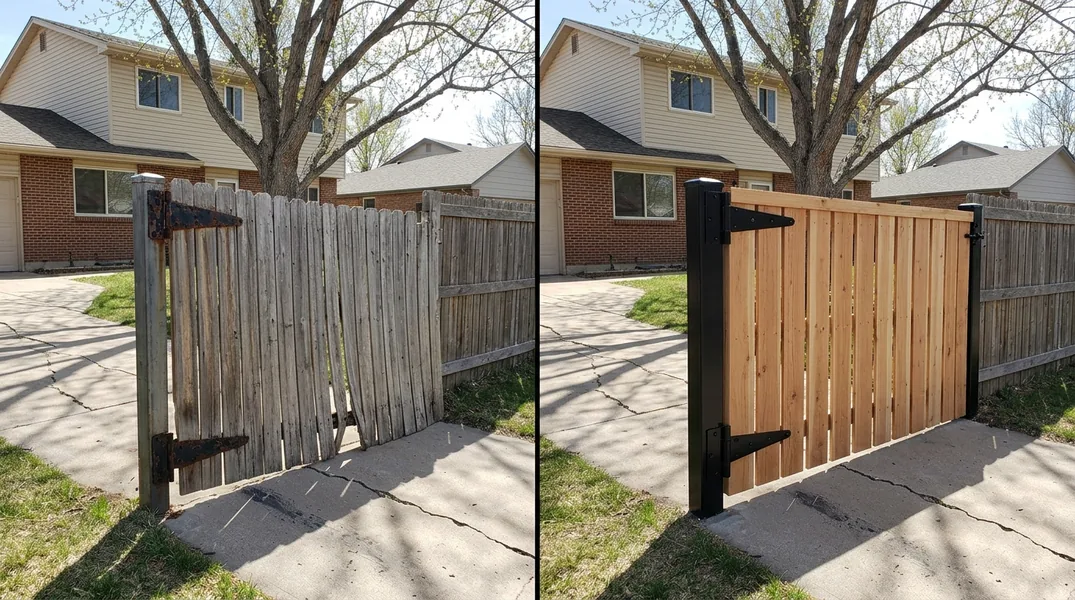
The Challenge of Fencing Denver's Historic Park Hill Bungalows
Park Hill is one of Denver's most charming neighborhoods, filled with pre-war bungalows that date back to the 1920s and 1930s. These homes have real character, vintage appeal, and a strong sense of community. But they also come with a unique challenge: many of them sit on narrow lots, sometimes just 30 to 40 feet wide. For homeowners in Park Hill looking to add privacy, security, or simply define their property line, choosing the right fence and understanding its lifespan becomes critical.
Narrow lots mean less room for error during installation and less flexibility in design choices. The fencing must work within tight spatial constraints while still delivering the privacy and aesthetic appeal that Park Hill residents expect. Whether you're protecting a small front yard from street traffic or creating a secluded backyard retreat, your fence needs to be built to last. Understanding how long a wood fence lasts, when to replace a fence, and the signs you need a new fence will help you make a smart investment that complements your historic home.
How Long Does a Wood Fence Last in Denver's Climate?
The lifespan of a wood fence depends on several factors, and Denver's unique climate plays a significant role. Generally, a well-maintained Wood & Privacy Fence Installation can last 15 to 20 years in Colorado's high-altitude environment. However, this timeline can vary based on the type of wood used, the quality of the installation, and how diligently you maintain it. Cedar and redwood fences, which are naturally resistant to rot and insects, tend to last longer than pressure-treated pine or spruce. In the thin air of Denver, wood is exposed to intense UV radiation, dramatic temperature swings, and low humidity that can cause wood to crack, warp, and fade more quickly than in other regions.
The dry Colorado climate actually offers some advantages for wood fence longevity. Unlike areas with high humidity, Denver's low moisture levels mean wood is less prone to fungal growth and rot, which are major killers of fences in wetter climates. However, the intense sun exposure and temperature fluctuations between day and night, especially in spring and fall, can cause wood to expand and contract repeatedly, stressing the joints and fasteners. Winter snow and ice melt cycles also take their toll. A fence that receives proper sealing and staining every 2 to 3 years can push toward the upper end of that 15 to 20 year range, while an unprotected fence might fail sooner.
Signs You Need a New Fence: What to Watch For
Knowing signs you need a new fence helps you catch problems before they become dangerous or unsightly. The most obvious indicator is visible rot or decay. If you press a screwdriver or awl into the wood and it sinks in easily without resistance, the wood has lost its structural integrity. Soft, spongy wood at the base of posts is a red flag, since this is where moisture accumulates and rot starts. You should also look for leaning or wobbly sections. If a fence panel is tilting away from the property line or shifting when you push on it, the posts have likely rotted below ground or the concrete footings have failed. Gaps between boards, significant warping, or boards that have split lengthwise are also common age-related issues.
Another critical sign is widespread discoloration or dark staining that won't wash away. This often indicates mold, mildew, or early-stage rot taking hold. If your fence has large areas where the wood has turned gray or black, it's nearing the end of its useful life. Rust stains running down from fasteners suggest the nails or screws are corroding, which weakens the connections. Finally, if you're spending more time and money on repairs each year than you did previously, it's probably time to consider replacement. When you're patching boards, replacing posts, or reinforcing sections annually, a new fence becomes a more cost-effective solution than continued maintenance.
Fence Lifespan and Maintenance: Extending the Life of Your Investment
The fence lifespan you actually get depends heavily on your maintenance routine. Sealing or staining your wood fence every 2 to 3 years is one of the best investments you can make. A quality exterior stain with UV protection and water-repellent properties will significantly slow the weathering process. In Denver, where the sun is particularly intense, this step is not optional if you want your fence to reach 20 years. Beyond staining, keep an eye on drainage around your fence posts. Make sure soil slopes away from the fence line so water doesn't pool at the base. Clear away leaves, dirt, and organic debris that accumulate against the fence, as these trap moisture and accelerate decay.
Regular inspection is equally important. Walk your fence line at least twice a year, in spring and fall, to spot early signs of damage. Tighten any loose boards, replace damaged fasteners, and trim back vegetation that's pressing against the fence. If you notice a single rotted post, replacing it immediately can prevent the problem from spreading to adjacent sections. Small repairs now save you from replacing entire panels later. When you do need professional help, Denver Fence Contractors can assess the condition of your fence and recommend whether repair or replacement makes the most sense. Call (720) 573-2902 or get a free estimate to discuss your options.
When to Replace a Fence: Timing Your Investment on a Narrow Lot
Deciding when to replace a fence requires balancing cost, safety, and aesthetics. If your fence is between 15 and 20 years old and showing multiple signs of decline, replacement is likely the better choice than continued patching. For narrow lots in Park Hill, timing matters even more. A fence failure can affect your neighbor's property or create a liability issue if someone is injured by a collapsing section. If more than 30 percent of your fence shows significant rot, warping, or structural failure, replacement is the prudent move. On a tight lot where the fence is a major visual element of your home's character, an aging fence also detracts from curb appeal and property value.
Budget considerations matter too. Get a free estimate from Denver Fence Contractors to understand the pricing for a new Wood & Privacy Fence Installation on your lot. Compare that cost to what you'd spend on repairs over the next few years. If repairs will exceed 50 percent of replacement cost, replacement is usually the smarter financial decision. Also consider your long-term plans. If you're planning to stay in your Park Hill home for another decade or more, a new fence is an investment that pays dividends in privacy, security, and peace of mind. If you're thinking of selling soon, a new fence can significantly boost your home's market appeal and selling price.
Wood & Privacy Fence Installation Near Me: Working with Denver Fence Contractors
When your fence reaches the end of its life, choosing the right contractor matters. Denver Fence Contractors specializes in Wood & Privacy Fence Installation for homeowners throughout Denver, including the unique challenges of Park Hill's narrow lots and pre-war properties. We understand the neighborhood's character and can help you select materials and designs that respect the historic aesthetic while providing modern durability and performance. Our team has experience working in tight spaces, managing drainage issues common to older properties, and navigating the specific requirements of Denver's climate.
We offer a full range of fencing options beyond wood, including Vinyl & PVC Fence Installation, Chain Link Fence Installation, and Aluminum & Ornamental Iron Fencing, so you can explore what works best for your property. If you're ready to discuss your fencing needs, call us at (720) 573-2902 or visit our website to request a free estimate. We'll assess your current fence, explain your options, and provide transparent pricing so you can make an informed decision.
Looking for a professional tree service in Denver? Denver Fence Contractors responds fast for all your fence needs.
Get a Free Quote